


Mystery Dumpling: Unbox ASMR
4.8182.00 Reviews
App Specs
- Version
- 2.2
- Updated On
- License
- Free
- Downloads
- 10,000,000+
- Developer
- Brocker Bus Studio
- Categories
- Casual
- Platform
- Android
Screenshots

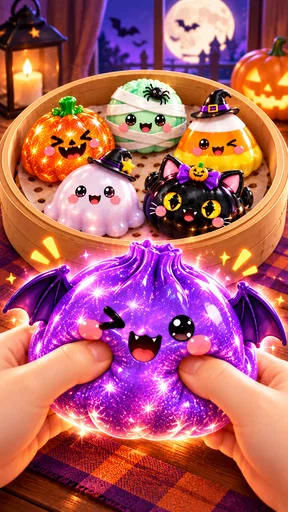
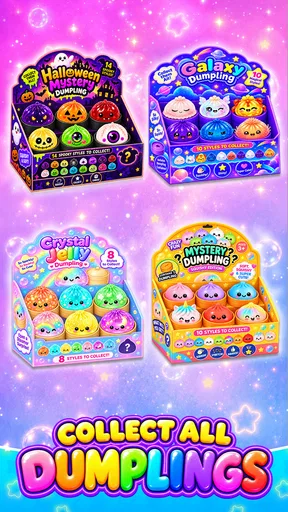

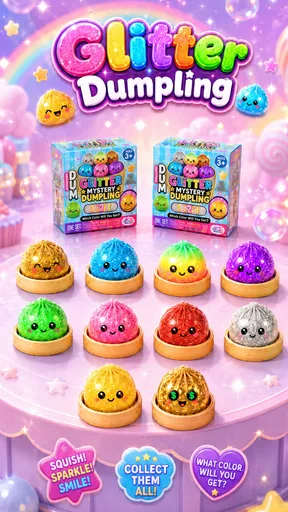
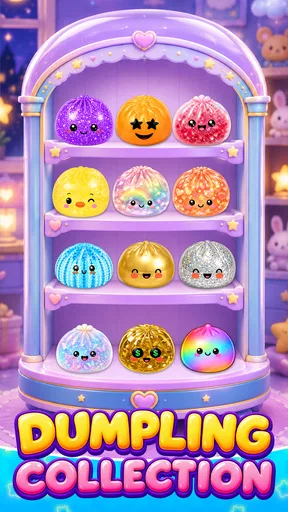
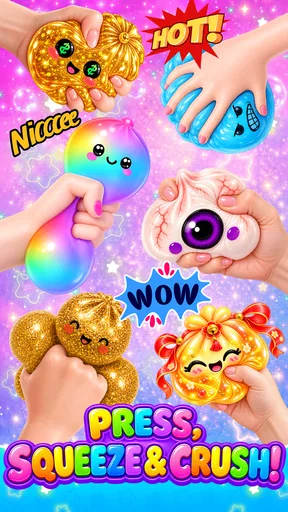
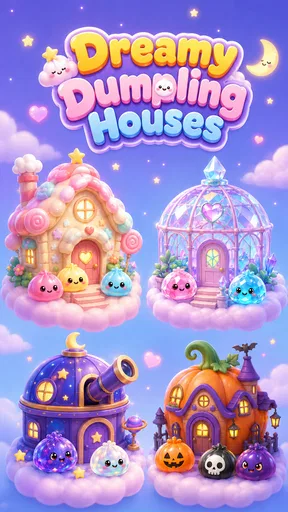
 Analysis by AppCompare
I judge a casual game by a simple test: can I enjoy it in short bursts, and does its central activity feel pleasant enough to return to? Mystery Dumpling: Unbox ASMR is built around opening cute mystery dumplings, finding toys, and enjoying soft, tactile-style sound. That gives it a clear, low-pressure appeal. It is less about mastering a complicated system and more about the small pleasure of revealing what is inside.
My recommendation depends on what you want from a mobile game. If you like collectible surprises and a soothing presentation, this is an easy one to consider. If you need strategic depth, a demanding challenge, or direct control over exactly what you collect, the mystery-box premise may become repetitive. The key question is whether the reveal itself is rewarding for you, even when the item is not the rare one you hoped for.
What the dumpling loop does well
I focus here on why the reveal-and-collect routine can feel satisfying, and on how to tell whether its appeal is likely to last for you. The useful distinction is between enjoying each opening as a small event and treating the collection as a goal to finish; that difference shapes the experience more than the cute theme alone.
A quick, tactile kind of play
The game’s core idea is immediately understandable: open a dumpling, discover a toy, and build a collection while uncovering secrets. That simplicity is a strength when I have only a few minutes free. I do not need to remember a long quest, learn a dense rule set, or plan a complicated session before I start. The action is easy to grasp, so the game suits casual play better than games that expect sustained attention.
The ASMR angle matters because it gives the unboxing a sensory identity rather than treating it as a bare reward screen. The appeal is not just the object at the end; it is also the small ritual of opening something and listening to the presentation. I would reach for it during a quiet break, while waiting for an appointment, or as a gentle wind-down when I want something lighter than a competitive game.
That same focus does set expectations. The game is designed around repeated reveals, so the central pleasure is repetition with variation, not a steadily expanding set of complex controls. If the sound and reveal sequence make the routine satisfying, that repetition can be calming. If I want each session to introduce a new mechanic, the format is unlikely to meet that need for long.
Collecting without turning it into a project
Finding toys and seeking rare ones gives each opening a little anticipation. I like that the collection goal can make a short session feel purposeful: I can enjoy a few reveals without needing to complete a large task. The store description also points to secrets, which gives collectors another reason to pay attention rather than treating every opening as identical.
Worth Reading Before You Choose

Flipboard Shows What News Apps Must Do Beyond the Feed

Switching to Android Auto Means Rethinking Your Driving Routine

Google Calendar Makes a Crowded Week Easier to Manage

Ludo King Makes the Most of the Minutes Between Plans

Baby Panda World Brings Quick Play to Modern Phones, but Its Game Library Feels Busy

ESPN’s Live Game View Makes Following Close Games Easier
A useful way to approach the collection is to enjoy what appears instead of treating rarity as the only measure of a successful session. Mystery-based rewards can be exciting precisely because the outcome is uncertain, but that uncertainty can also disappoint when I have a particular item in mind. I would treat rare finds as a bonus and use the ordinary discoveries as part of the enjoyment. That mindset makes the game feel more like a relaxing collectible toy box than a checklist demanding completion.
For younger players or anyone who likes cute collectibles, the visual premise is an obvious draw. The game is rated for Everyone, and its casual format does not require a player to be a fan of traditional action or puzzle games. Still, parents and players should remember that optional in-app purchases are present; a free download does not mean every purchase opportunity is automatically part of the experience.
Who should choose it over another casual game?
Among casual games, this one sits closer to a collectible unboxing experience than to a conventional match puzzle, endless runner, or logic challenge. Those alternatives tend to center on beating a board, improving a score, or reacting quickly. Here, the attraction is the reveal, the toy collection, and the calming sound-led presentation. I would choose it when I want a softer mood rather than a test of speed or problem-solving.
It may also suit someone who enjoys watching unboxing content but would rather take part in the reveal themselves. That does not make it a substitute for every collection game: players who want precise control over each acquisition may prefer a game where rewards are selected or earned through a clearly defined challenge. In this one, the mystery is part of the point, and that means accepting that a particular opening may not deliver the item you had in mind.
Making the short-session format work
A realistic use case is a small pause between errands: I can open the game while waiting for a bus, enjoy a handful of reveals, then put it away without needing to remember a complicated objective. That makes it more convenient than a story game that asks me to follow a scene or a puzzle game that feels unfinished when I stop midway. I would keep the session short if I notice myself repeating the same action without enjoying the sound or anticipation; stopping at that point protects the game’s relaxed quality.
For a shared household device, I would also make the spending boundary part of the setup rather than waiting until a child becomes attached to a rare toy. The Everyone rating makes the game broadly approachable, but the optional purchase element still calls for a parent’s attention. A simple conversation about which parts are free and whether purchases are allowed can prevent the collectible chase from becoming a point of friction.
What the sensory focus asks of you
The sound-led presentation is a reason to choose this over a standard toy-collection interface, but it also makes the setting matter. I would use headphones only when that feels comfortable and appropriate, not assume that every session needs them. In a shared room or on public transport, keeping the sound low or muted may be more practical; if that makes the opening less satisfying, I would save it for a quieter moment rather than forcing it into every spare minute.
One small strategy is to decide what counts as a satisfying stopping point before opening the game: a few discoveries, a new toy, or simply a short break. This avoids judging the session solely by whether a rare item appears. It is a useful distinction for any surprise-based collection, but especially here because the enjoyment is tied to the reveal itself as well as the result.
Where another casual game may fit better
If I want a game that stays engaging through decisions, I would choose a puzzle or strategy-leaning casual title instead. Those formats give me something to work out, while this one is better suited to a soft, sensory pause. If I want a clear sense of progress, a collection game with direct goals may also be a better match. The trade-off is that structured goals can feel more demanding, whereas the dumpling reveal depends on accepting uncertainty.
That distinction helps answer whether it is worth trying if I am unsure about ASMR games: I would consider it only if the sound and opening ritual sound enjoyable in their own right. The toy collection adds a reason to return, but it is not a guarantee that repeated reveals will stay fresh. Players who mainly want a robust challenge should skip it rather than hoping the casual format will turn into one.
Practical trade-offs before you install
I look at the practical limits that can affect when and how you enjoy the game, from its dependence on sound and repeated surprises to the need for a clear spending boundary. Those trade-offs make it easier to decide whether this is the right kind of casual break for you, or whether a more structured alternative would be a better fit.
When another kind of game is the better fit
I would skip this if repetition quickly drains your interest. The central loop is deliberately narrow, so even a cute presentation cannot make every opening feel new forever. A puzzle game is a better choice when I want a fresh problem to solve; a story-focused game is better when I want characters and narrative to carry a session; and a more involved collection game may suit me if I want planning and progression to matter more than surprise.
It is also not the best pick for someone who dislikes random rewards. The thrill of discovering a rare toy depends on not knowing what will appear, and that same uncertainty can feel like friction. If I find myself opening items only to chase one specific result, I would pause rather than letting the collection turn a relaxing game into an obligation. The experience is at its best when I am happy to be surprised, including by a common find.
Sound is part of the game’s stated appeal, so I would try it in a setting where listening is comfortable. On a noisy commute, the audio may be harder to appreciate; in a quiet room, the sensory side can be more noticeable. This is a practical difference from many casual games that communicate almost entirely through visuals. If I need a game that works equally well with sound ignored, I would compare it with a simple puzzle or arcade option before settling in.
Purchases, pacing, and a sensible routine
The game is free to download, with in-app purchases listed at $9.99 per item. I would decide before playing whether I want to spend anything and keep that boundary clear, particularly if the appeal of rare toys makes me tempted to keep trying. The free entry point makes it straightforward to see whether the unboxing style suits me, but optional purchases are worth keeping in mind rather than treating them as invisible.
A practical routine is to play in short sessions and stop when the activity still feels pleasant. That avoids turning repeated openings into a chore and gives the collection a reason to remain enjoyable over time. If I am chasing a particular toy, I would set a stopping point in advance instead of assuming another attempt will necessarily be more satisfying. This is a small but useful distinction: the game can be relaxing when I control the session, but less so when I let the collection dictate how long I stay.
The cost of switching away is low in terms of learning: the premise is simple, so moving to another casual game does not mean abandoning a complex skill set. The real trade-off is mood. Replacing it with a score-chasing game may add challenge but lose the soft reveal-and-listen quality; choosing a more deliberate collector may offer clearer goals but less surprise. I would switch based on what I want from that particular break, not because one style is universally better.
Who is behind it and what to expect from the release
Brocker Bus Studio develops the game, which is listed as a casual title. Its average rating is 4.8 from around 61,000 ratings, and it has over 10 million installs. Those figures suggest that the simple collectible concept has found a broad audience, though they cannot tell me whether its particular rhythm will match my taste. I would use them as context, not as a substitute for asking whether I actually enjoy repeated unboxing.
The game is free, rated Everyone, and includes optional purchases at $9.99 per item. It was released on August 7, 2026, and its current version is 2.2, with Android 8.0 as the minimum operating-system requirement. I would check that my device meets the requirement before installing, and I would consider the purchase setup if a child will be playing. These details make the practical decision clearer without changing the central question: does the gentle collecting loop sound fun to you?
My recommendation
I would recommend Mystery Dumpling: Unbox ASMR to someone who wants a cute, low-pressure game for short breaks, enjoys collecting surprises, and finds sound-led presentation soothing. Its strongest quality is its focused identity: the unboxing, toy discovery, and search for secrets all support the same relaxed mood. It does not need to be a deep strategy game to do that job well.
I would not recommend it as a first choice for players who need constant novelty, dislike random outcomes, or want every session to involve a difficult objective. For those players, a puzzle or more structured collection game is likely to feel more rewarding. I would also keep purchases intentional rather than letting the hope of a rare find set the pace.
Overall, this is a specific kind of casual treat rather than an all-purpose mobile game. Try it when you want a few minutes of cute surprises and a calmer alternative to score-focused play. If the opening ritual itself makes you smile, the collection gives you a reason to return; if you are waiting for the game to become something more demanding, it is probably better to choose a different style from the start.
Pros
- Satisfying unboxing and squishing sounds make it a relaxing ASMR choice.
- Simple touch controls are easy to pick up without a tutorial.
- Short sessions fit well into breaks or casual play.
- Cute dumpling designs give each unboxing a playful feel.
- No complicated objectives make it accessible to younger players.
Cons
- Repetitive actions may lose their appeal after several sessions.
- Gameplay offers little challenge for players seeking deeper mechanics.
- Frequent ads may interrupt the relaxing experience.
- Progression can feel limited once the dumpling collection is explored.
- ASMR sounds may not appeal to players who prefer music or silence.
FAQs for Mystery Dumpling: Unbox ASMR
What is Mystery Dumpling: Unbox ASMR?
Mystery Dumpling: Unbox ASMR is a casual, sensory-focused game built around opening surprise dumplings and discovering what is inside. Its appeal comes from the unboxing process, playful reveals, and ASMR-style sounds rather than complex challenges or a detailed story. The exact contents and activities can vary as you progress, so check the current store listing and screenshots to see what the version available in your region includes.
How do you play Mystery Dumpling: Unbox ASMR?
Gameplay centers on interacting with dumplings to unwrap or open them, listening to the accompanying sound effects, and revealing hidden surprises. The controls are generally designed for simple touch interactions, making the game approachable for short sessions. If a particular dumpling or action is not immediately clear, follow the on-screen prompts; features, progression, and controls may differ between updates or versions.
Is Mystery Dumpling: Unbox ASMR free to download, and does it include ads or in-app purchases?
The cost and monetization details depend on the platform, region, and current store listing. A game may be free to install while offering optional purchases or showing advertisements, including during or between play sessions. Before downloading, review the listing’s pricing and in-app purchase information, and check recent player feedback for comments about ad frequency. If children will play, consider setting purchase restrictions on the device.
Can I play Mystery Dumpling: Unbox ASMR offline?
Whether the game works without an internet connection can depend on its current version and how it handles advertisements, updates, or other online services. Some parts may remain available offline, while certain features may require connectivity. To avoid interruptions, try launching the game once while connected, then test it in airplane mode. The store description or developer support page is the best place to confirm offline availability for your device.
Is Mystery Dumpling: Unbox ASMR suitable for children, and what should I check before downloading?
The lighthearted unboxing concept may appeal to children, but suitability depends on the game’s age rating, advertisements, purchase options, and any data practices described by the developer. Check the rating and privacy information on the official app store, and supervise younger players if ads or optional purchases are present. Also confirm that your device meets the listed requirements and that the app is available for your operating system and region.


